Personal income tax for directors Singapore is governed by a completely different set of rules from the company’s own corporate tax, and running your own Pte Ltd blurs that line in a way that catches a lot of first-time directors off guard. Understanding how director’s income is actually taxed helps you plan your remuneration properly instead of finding out the hard way at tax season.
Director’s fees vs salary vs dividends
Directors of Singapore companies are commonly compensated through some combination of three channels, and each is taxed differently.
Salary (as an employee director). If you are also an employee of the company, salary is taxed as personal income under Singapore’s progressive resident tax rates, and CPF contributions generally apply if you are a Singapore citizen or permanent resident earning wages as an employee.
Director’s fees. Fees paid for serving as a director, as distinct from an employment role, are also taxed as personal income, but are typically not subject to CPF contributions in the same way employment income is, since director’s fees are for the office of director rather than employment.
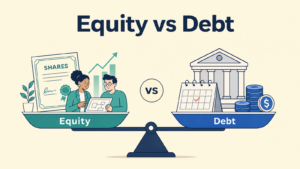
Dividends. Dividends paid by a Singapore-resident company are generally not taxed again in the hands of the shareholder, since Singapore operates a one-tier corporate tax system. The company has already paid corporate tax on its profits, and dividends distributed from those after-tax profits are not taxed again as income to the individual receiving them.
Why the mix matters for tax planning
Because dividends are not taxed again at the personal level while salary and director’s fees are taxed under progressive personal rates, business owners sometimes structure their own remuneration to lean more heavily on dividends. This is not automatically the right call for everyone, though. A few things worth weighing:
- CPF contributions on salary build your own retirement savings and support things like housing loan eligibility, which pure dividend income does not
- Salary is a deductible expense for the company, reducing its corporate tax bill, whereas dividends are paid from after-tax profits
- Foreign tax credit and treaty considerations can differ between employment income and dividend income if you have cross-border tax exposure
The right mix depends on your personal tax residency status, whether you need CPF-linked benefits, and the company’s own tax position. This is worth a proper conversation with an accountant rather than defaulting to whichever option sounds like it saves the most tax on paper.
Tax residency matters too
Singapore’s personal income tax rates apply progressively to tax residents, generally those who are physically present or working in Singapore for 183 days or more in the year, or who meet other residency tests. Non-resident directors are taxed differently, often at a flat rate on director’s fees, which is a separate consideration for directors who split time between Singapore and elsewhere.
Filing obligations
Your personal income tax for directors Singapore return is filed separately from the company’s own corporate tax filing, even though you are responsible for both as a director. As an individual, you file your personal income tax return with the Inland Revenue Authority of Singapore annually, generally by 15 April, or 18 April for e-filing, declaring salary, director’s fees, and any other personal income. This is entirely separate from the company’s corporate tax filing, Form C or Form C-S, which you are also responsible for as a director, even if an accountant prepares it on the company’s behalf.
Common mistakes
Treating director’s fees as automatically CPF-exempt without checking your actual role. If you are doing both employment work and serving as a director, the employment portion of your income generally still attracts CPF.
Not declaring benefits-in-kind. Company-paid benefits like a car, housing, or other perks can have personal tax implications and need to be properly declared.
Assuming dividends are always the most tax-efficient option without considering the loss of CPF contributions or the company’s own cash flow needs.
Want your remuneration structured properly?
Talk to Abacuscorp about structuring director’s pay in a way that works for both your personal tax position and the company’s.